Commercial cleaning is undergoing a technology revolution. Autonomous cleaning robots now offer a significant competitive advantage, delivering over 30% cost savings and freeing your workforce to focus on higher-value tasks.
But as more facility managers and operations leaders look to integrate robotic cleaning solutions into their businesses, one critical question keeps coming up: Should you lease or buy?
There’s really no wrong answer, but the best answer depends on the context of your business, and when you weigh up the benefits, there’s definitely a clear answer that comes out on top.
The Key Benefits of Leasing Cleaning Robots
Leasing cleaning robots offers significant benefits over buying them outright. We’ll dive into each of these in more detail below, but the top-level overview is:
- Obsolescence protection: Stay ahead in a fast-moving robotics market without being locked into yesterday's technology.
- Low upfront cash outlay: Deploy enterprise-grade robots without a large capital commitment.
- Predictable monthly costs: Budget with confidence using fixed, foreseeable payments.
- Included services and uptime guarantees: Maintenance, support, and performance are baked in.
- Balance sheet and tax advantages: Leasing can deliver meaningful financial and accounting benefits for your business.
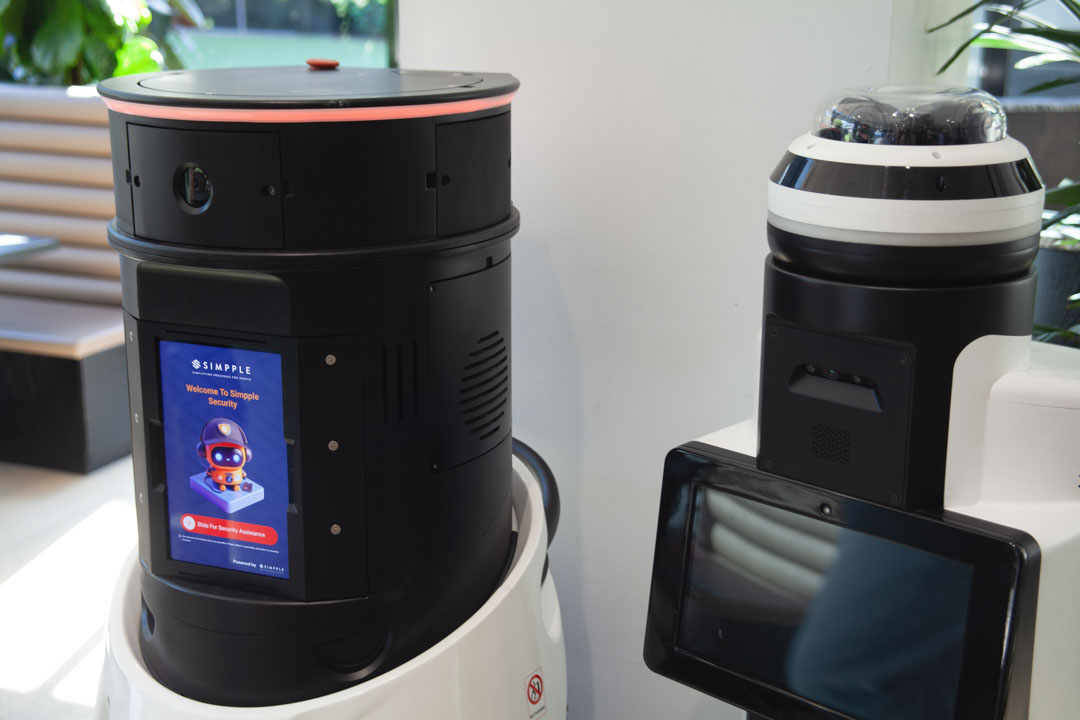
5 Reasons to Lease a Cleaning Robot for Your Business
1. Obsolescence Protection
Robotics and AI are advancing at a pace unlike almost any other industry. The autonomous cleaning robot that represents the cutting edge today may be superseded within three to five years by units with superior navigation algorithms, enhanced sensor arrays, or deeper integration with artificial intelligence (AI).
Leasing offers a way to stay ahead of the game. At the end of a lease term, you can upgrade to the latest generation of robots without the financial penalty of disposing of a depreciating asset.
For commercial operations that rely on delivering a consistent, high-quality service standard to clients, staying current with technology is vital. Leasing ensures your cleaning capability evolves with the market.
2. Low upfront cash outlay
Enterprise-grade commercial cleaning robots represent a meaningful capital investment. Purchasing outright ties up funds that could otherwise be deployed into growth, staffing, or operational improvements.
Instead of a large upfront purchase, leasing lets you access the same high-performance technology with manageable periodic payments. This means you can deploy autonomous cleaning robots across your operation today and fund the lease from the operational savings the robots generate.
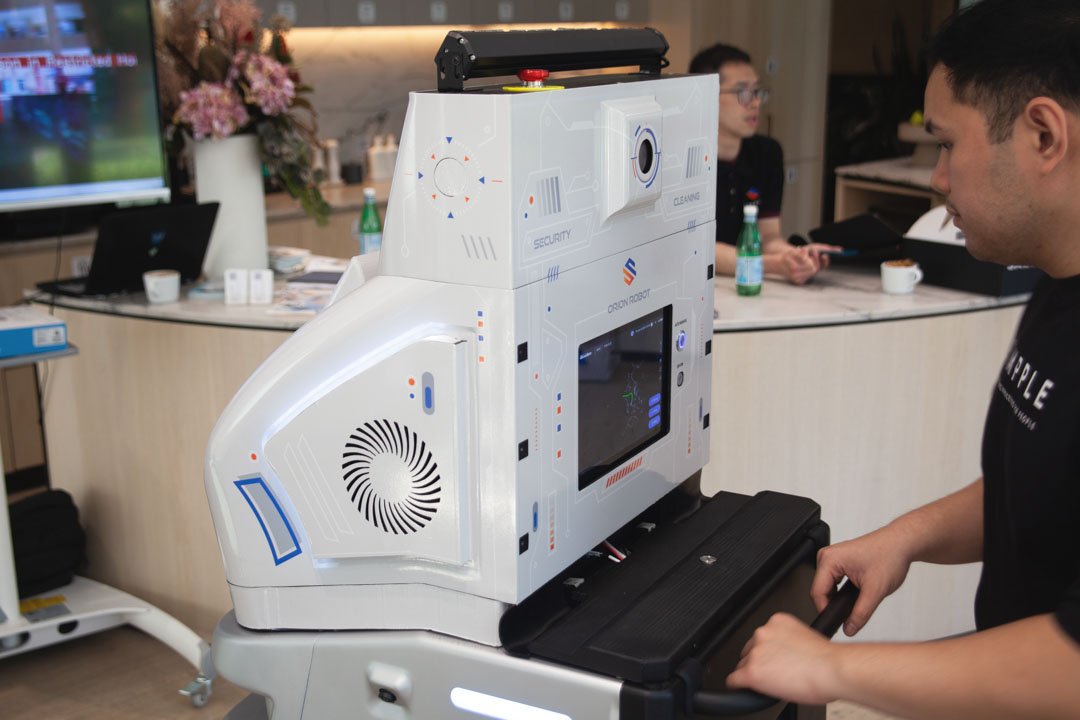
3. Predictable monthly costs
Financial planning in facilities management depends on cost certainty. Unexpected expenses, such as equipment breakdowns, unplanned maintenance, or emergency servicing, can significantly impact your budget planning.
A lease agreement converts that uncertainty into a fixed, predictable monthly cost. You know exactly what you're paying, every month, for the duration of the term (including emergency repairs or replacements!).
4. Included services and uptime guarantees
When you purchase equipment outright, the responsibility and cost of maintaining uptime sit entirely with you. The same goes for cleaning robots.
Leasing arrangements typically include servicing, maintenance, software updates, and technical support as part of the package. This means your robots are kept in peak operating condition by specialists, and any issues are resolved quickly without unexpected costs.

5. Balance sheet and tax advantages
Beyond the operational benefits, leasing can offer advantages from an accounting and tax perspective. Depending on the lease structure and applicable Australian tax regulations, lease payments may be treated as an operating expense rather than a capital expenditure, potentially reducing your taxable income.
It's worth discussing the specific implications with your accountant, but for many commercial operators, the financial structure of a lease is a compelling benefit.
Ready to Start Leasing Your New Cleaning Robot?
Leasing a commercial cleaning robot offers you access to state-of-the-art autonomous technology, operational certainty, built-in support, and a financial structure that works in your favour, all without tying up capital or accepting long-term technology risk.
If you're ready to see what a modern commercial cleaning robot can do for your operation, the best next step is to see one in action.
Book a live demonstration with Australian Robot Technology and discover how autonomous cleaning can transform your facility's performance.

