Facility maintenance ran on paper checklists, gut feel, and whoever was on the roster for decades.
But that's changing.
These days, Australian commercial buildings (i.e., shopping centres and office towers) now depend on systems that predict and act without external control.
Three trends are behind this shift, and every one changes how big sites are cleaned, secured, and managed. Without further ado, let's run you through these trends.
1. Data Is Changing Commercial Cleaning and Maintenance
The days of guesswork are long gone. The biggest change in facility maintenance isn't a machine but information. Sensors and tools linked to them can track foot traffic, floor wear, and air quality in real time. So, instead of cleaning corridors based on a fixed schedule, teams can clean spots that need cleaning when they need it.
Let's say a commercial building has its food court on level 2. On a “not-too-busy” Tuesday, it'll need a light clean. However, on Saturdays that are busy, it'll need multiple cleaning.
Maintenance backed by data spots the difference and sends cleaning efforts to where it counts. The payoff? Lower costs, fewer complaints, and proof of work.
Modern commercial cleaning robots generate a detailed report after they complete a task. Managers can pass this data to owners and tenants to show them what was done, where and when. With this info in the mix, there's no more arguments about if a job happened or not.
Data also comes in handy to tweak budgets. When you can tell what sections will wear the fastest, you can plan deep cleans and resurfacing before problems pop up, and not after a tenant sends you a picture showing a lobby with scuff marks.

2. Smart Doors and Lifts in Commercial Buildings
Buildings are learning to move people without any human input. Smart access is the second huge trend, and it goes beyond a door unlocking when you use a swipe card.
These days, doors will unlock instantly when they spot staff of an organisation. You'd also find lifts that group passengers by destinations to reduce waiting periods.
Additionally, there are loading docks that open their gates to accept a booked delivery and log its number for later checks by a human.
The win for facility managers is control. Every door opening and lift trip is data processed and stored. That way, they can see what areas are the busiest, notice an open fire door at 5AM, and give somebody access to level 6 without going through the stress of key cutting.
Smart doors and lifts can be linked with other machines. A robot wrapping up its cleaning rounds can call a lift to take it to the next floor without a human hitting any button. That single add-on turns a seven-storey building into one space managed continuously with ease.
3. Cleaning and Security Robots for Commercial Spaces
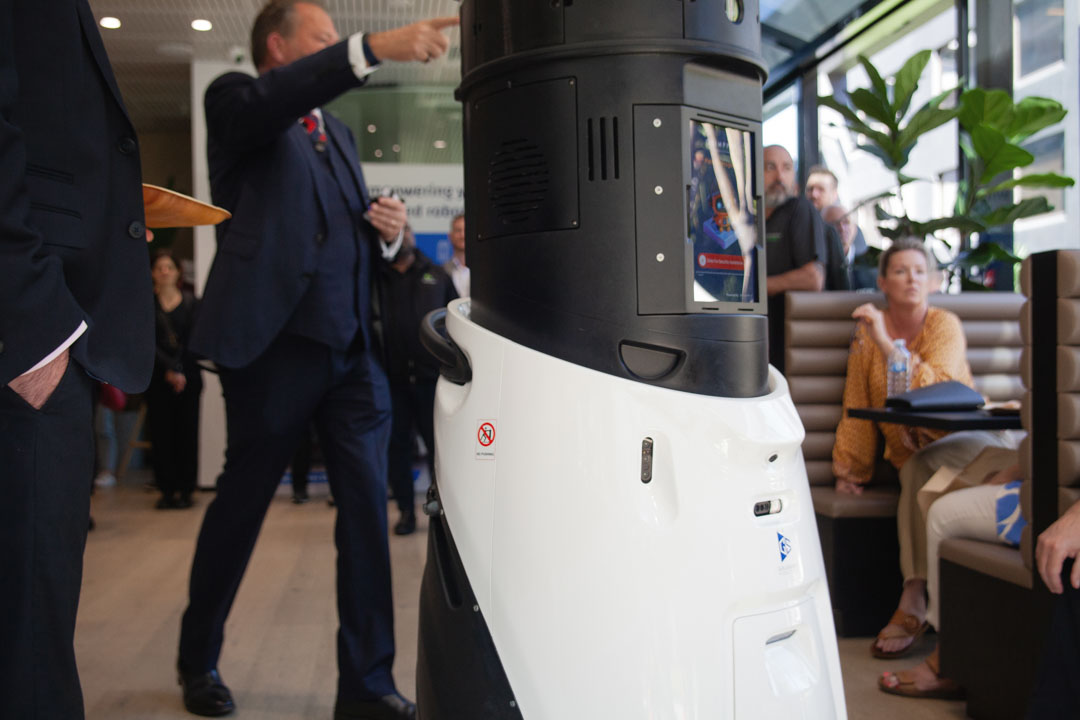
Robots are one trend you can see now. These bots can sweep, scrub, mop, and patrol around huge commercial sites 24/7.
They use 3D LiDAR tech to map out a building's structure, go around shoppers, and return abandoned trolleys to their changers. A bot can cover thousands of square meters a day without needing to take a break.
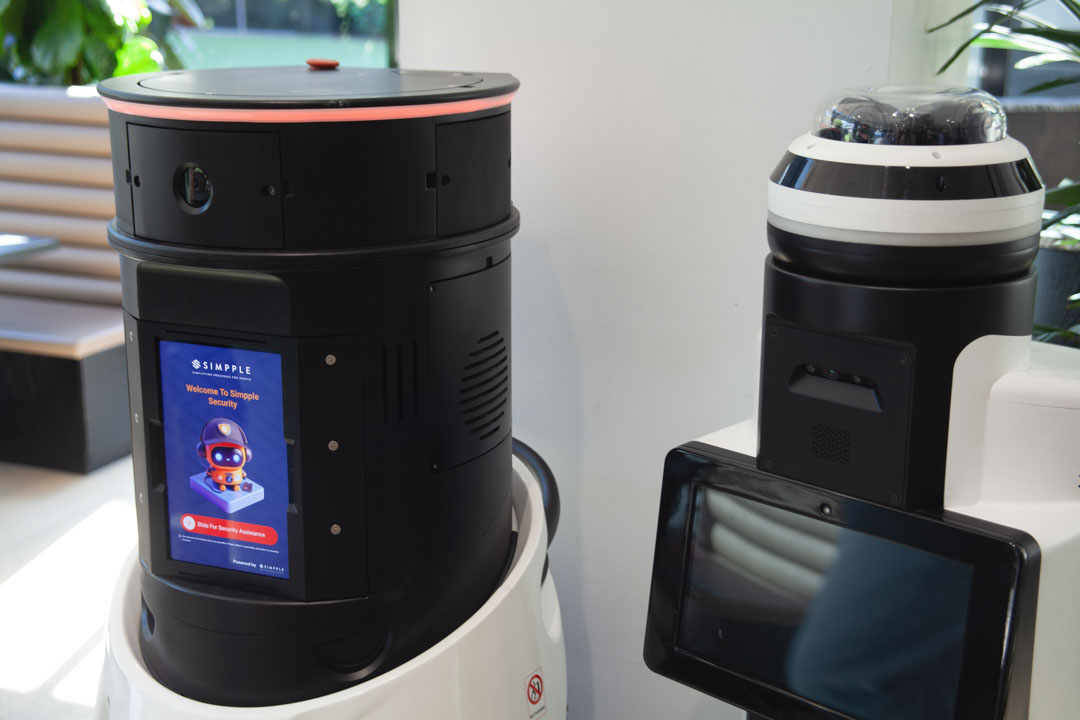
The latest generation of bots can do two jobs. The machine that keeps the area clean can double as a security robot that watches for loiterers, intruders, and vandalism.
The costs of cleaning and security hurt budgets. Cleaning agencies’ costs are rising to suit inflation, security guards are hard to roster, and paying for both can see funds run out in an instant.
Dual-purpose robots solve both issues and firms like Australian Robot Technology in the centre of it all, rolling out bots that deliver cleaning and security across Melbourne and other AU states.
Bots won't replace all your workers. They're there to handle repetitive and tiring jobs like scribbling floors and parading car parks by 3AM. That way, your building's team can do things that actually matter.
Where to Start
You don't need to introduce these trends into your commercial space right now. Just start small. Pick one task that seems repetitive like overnight floor cleaning or parking lot patrols and automate them for a certain period.
If you'd rather see this automation working in real time and don't want theories, book a demo with Australian Robot Technology and get a free live demonstration. By doing this, you can know if your building is ready to embrace the future.

