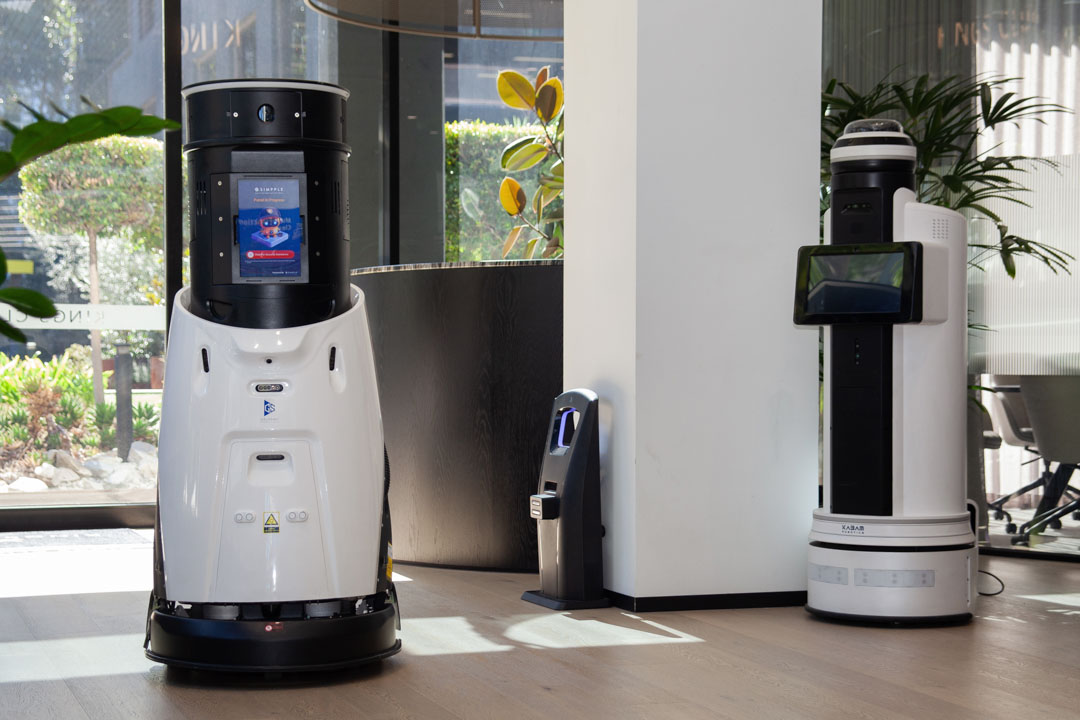
Cleanliness is key in complex and dynamic commercial facilities where built-up dirt and detritus doesn’t just look bad, but can affect operational performance.
Many organisations employ cleaning crews, but they can struggle to work in high-pace spaces where getting in the road can lead to missed deadlines and quotas. These teams are also expensive to retain, and if they work afterhours the price only climbs.
Commercial cleaning robots solve all these issues. They are cost effective, they can actively navigate obstacles, and they can work whenever and however you want.
More than just a Roomba
Most people are familiar with the home version: the Roomba was released in 2002, and autonomous bots have been vacuuming and mopping households ever since. But modern commercial cleaning robots take the tech a step further.
The magic of these machines is in how they map and autonomously navigate busy facilities. Let’s break down the key elements of commercial cleaning robots, to understand why so many Australian businesses and organisations are choosing to invest.
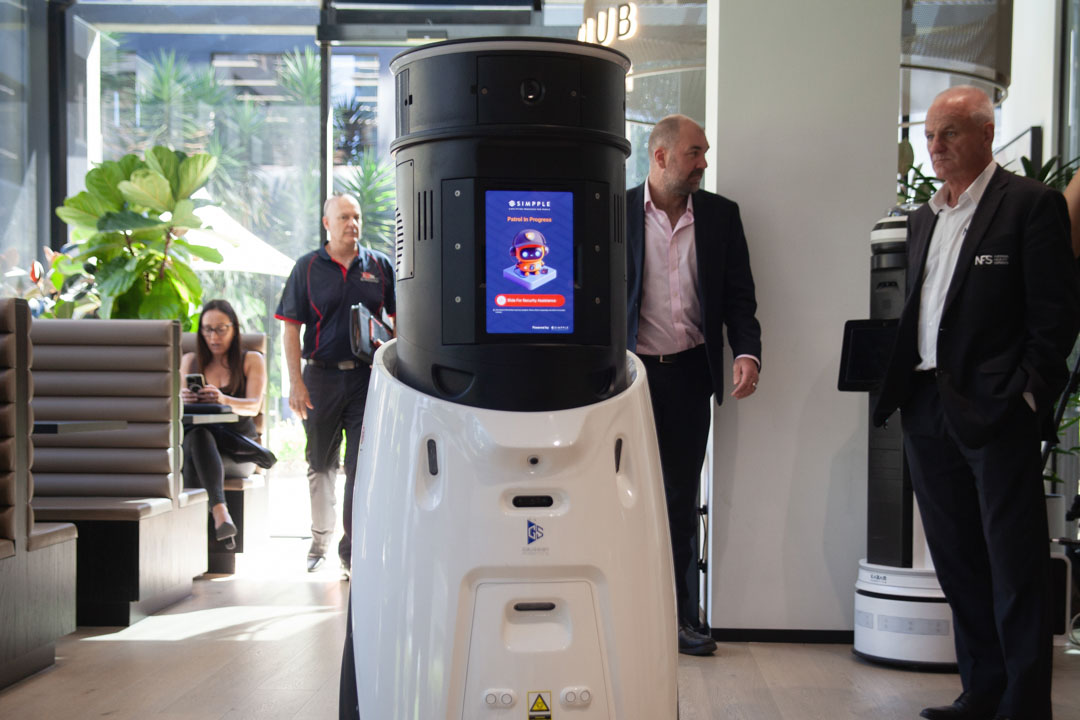
1. Precision mapping
Commercial cleaning robots are capable of precisely mapping your premises down to the millimetre. The process begins with an initial spatial survey, which creates a map that the bot can then use to navigate autonomously.
This map is used to ensure total floor coverage, with the robot passing over every square centimetre of the space. The map can also be used to create custom routes – you could keep the bot away from high traffic areas during work hours, for example.
The mapping is powered by LiDAR, which bounces light off surfaces to get a continuous 3D snapshot of the surrounding area – the same technology that autonomous vehicles use to map the road.
2. Dynamic obstacle avoidance
LiDAR not only maps the space, it also allows the robot to identify changes within that space, from repositioned furniture, to recently received pallets, to people and vehicles moving in real time.
By adapting to the lived environment, commercial cleaning robots can deal with the inherent unpredictability of fast-paced businesses, even those containing forklifts, foot traffic, stray trolleys and unexpected clutter.
If the robot is presented with an obstacle, it stops to avoid a collision, then instantly recalculates the ideal path to complete its task.
This smooth and deliberate navigation ensures the safety of everyone and everything in the facility: staff, customers, visitors, equipment, stock, even your operational procedures. It’s why commercial cleaning robots are becoming an increasingly common sight in airports, malls, labs, warehouses, production facilities and anywhere else that benefits from constant cleaning.
.jpg)
3. Fully autonomous operations
Precision mapping + obstacle avoidance = machines that are completely autonomous; and not just in terms of navigating an ever-changing space.
You’re able to program specific cleaning routes and times that ensure the bots themselves don’t become obstacles during operational hours by following paths that avoid high traffic areas. Routes and schedules can be easily tweaked at any time.
The best commercial cleaning robots can also be programmed with automated charging cycles. Units return themselves to docking stations between each shift or when their battery runs low, which means that if you have more than one, you can ensure there’s always a machine cleaning the space.
The constant presence of cleaning robots can prove an effective security measure too. When a potential intruder sees a bot patrolling the premises, they’re deterred from entering, assuming they’ll be caught on camera, even if the bot doesn’t have that capability. (If security is a key consideration, a dedicated security robot is a great option too.)
Stay clean, save cash, optimise operations
Packed with the latest mapping and navigation tech, commercial cleaning robots are designed to keep your business immaculate while working around it. They’re cheaper and more reliable than a human cleaning crew, and they even offer a passive version of security – nightwatchers who can deter potential intruders with their presence alone.
But the best way to appreciate what these machines could do for you is to see them in action. We can help.
Request a live demo with Australian Robot Technology today, and let us introduce you to Tim and Harry – a pair of robot cleaners ready to work your way.

