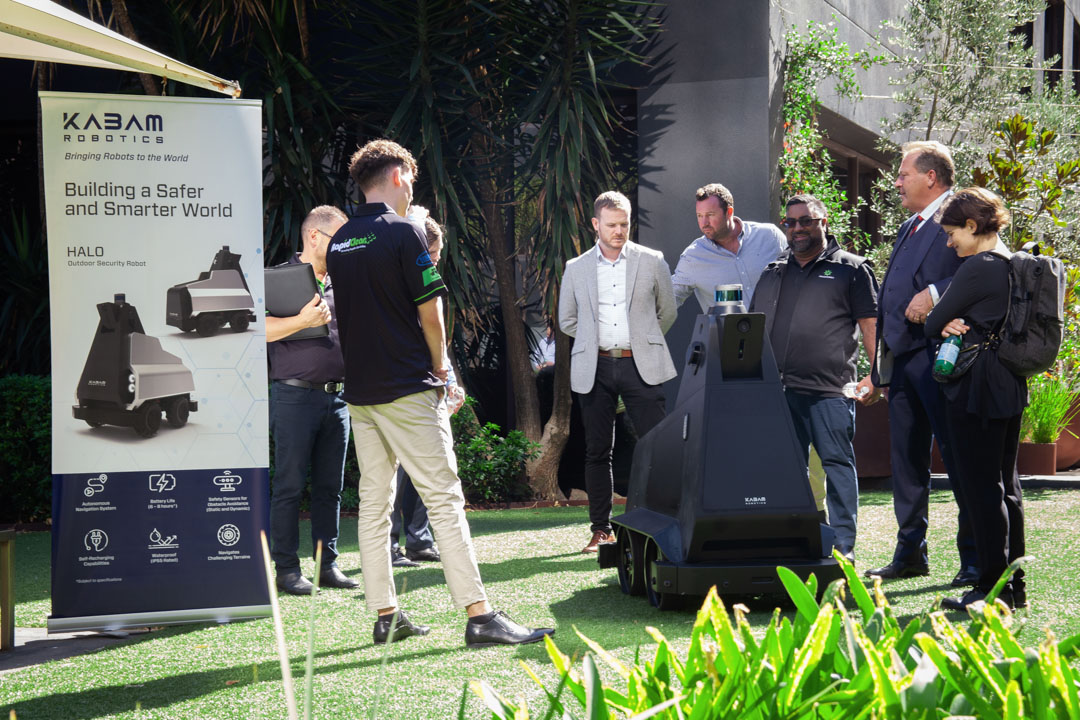
According to the Department of Industry, Science, and Resources, robotics and automation could increase productivity growth by 50% to 150%, adding $170-600 billion annually to our GDP by 2030.
One area of high potential is cleaning automation, where AI and robotics combine to provide consistent, safe, and cost-effective services. From healthcare to hospitality, a range of industries are spending big on cleaning automation throughout Australia this year.
Education
Robot cleaners are popping up in Australian TAFEs, schools, and universities as administrators seek creative ways to reduce costs without compromising cleanliness. Rather than replacing cleaning teams, the units tackle repetitive, high-volume tasks, giving the humans extra time to focus on corners and deep cleaning. Educators also appreciate how these high-tech contraptions help children foster an early interest in STEM (Science Technology Engineering and Maths.
Autonomous scrubbers equipped with heavy-duty mops are ideal for high-coverage areas, such as cafeterias, hallways, and gymnasiums, especially those with hard vinyl or polished concrete floors. Most patrol after-hours to avoid foot traffic, protect pupil safety, and steer clear of mischievous kids. Autonomous vacuums and sweepers are likewise ideal for large carpeted areas.
Healthcare & Assisted Living
With the highest cleanliness standards of any industry, it makes sense that the healthcare sector would seek help from automation. In hospitals and aged care centres throughout Australia, autonomous cleaning robots quietly glide around in the background, protecting patients from pathogens by keeping common areas spick and span.
Cleaning robots can cover up to 5,000m2 daily, safely sweeping high-traffic areas multiple times per day using flexible path planning and navigation algorithms. Near-silent operation ensures patients receive much-needed peace, while auto-generated cleaning logs help hospital admins meet compliance with strict regulatory hygiene guidelines.

Transport
Cleaning robots are becoming more common in Australian transport hubs, especially our big capital city airports. Adelaide Airport is using commercial cleaning robots to boost in-terminal hygiene, Brisbane Airport has automated, solar-powered robotic lawnmowers trimming the grass airside, and smart industrial scrubbers have been spotted working the graveyard shift at Sydney Airport.
Advanced wayfinding features, such as mapping and dynamic localisation, allow cleaning robots to orient and safely manoeuvre in crowded spaces, including concourses, arrival halls, and luggage collection zones. AI-powered 3D perception lets the robots avoid collisions with stationary objects and moving entities, with minimal or zero assistance required.
Retail
Countless studies have shown that shoppers value cleanliness, with sparkling-clean stores consistently outperforming the dusty and dishevelled. To meet high customer expectations, Aussie shopping malls and warehouse stores have been making substantial investments in cleaning automation in recent years. Some prefer leasing units during the peak Christmas holiday season to complement their existing, stretched-thin cleaning teams.
Through advanced navigation algorithms, slim-profile retail cleaning robots can provide discreet cleaning services during core business hours without interrupting shoppers. Managers remain in complete control, adopting features such as map editing, real-time monitoring, and task scheduling to orient the automated workers as needed.
Hospitality
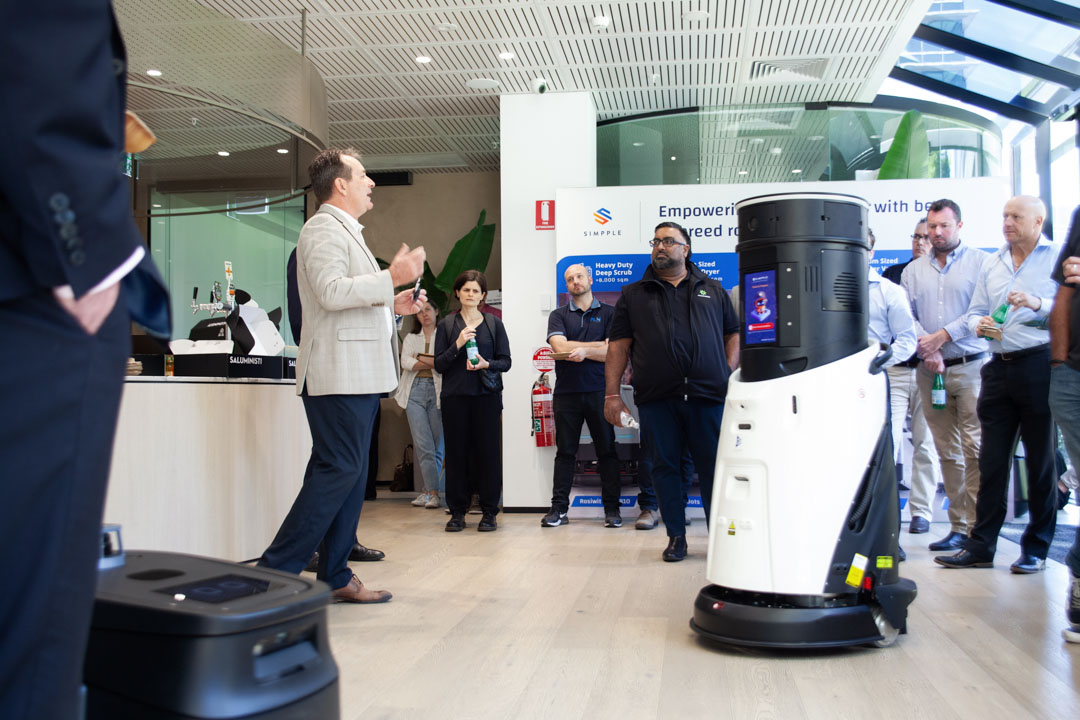
While the humble dishwasher has been automating the washing up for decades, there’s a newcomer to the hospitality scene. Autonomous cleaning robots have made headway into Australian hotels, whirring away in foyers and hallways during off-peak hours to keep high-traffic areas spotlessly clean. Guests not only appreciate the extra cleanliness, but often rave about the innovative, high-tech gadgetry on display.
Combination robots have proven particularly useful in high-end hotels with a mix of carpet and polished hardwood flooring. As for large open spaces like conference rooms, event centres, and ballrooms? An industrial scrubber makes quick work of the flooring, while the human workers can take care of the rest. As most cleaning robots come equipped with cameras, they can moonlight as a 24/7 security patrol.
The Benefits of Investing In Cleaning Automation
Cleaning automation can provide a range of helpful benefits, regardless of your sector.
- Lowering costs: By covering up to 5,000m2 daily, cleaning robots can deliver rapid ROI and reduce long-term expenses.
- Freeing up resources: The robots focus on arduous, repetitive tasks, such as thoroughly scrubbing large floor spaces, which lets human cleaners focus on more delicate tasks.
- Consistency: Cleaning robots perform with the same enthusiasm every day, never turn up late, and won’t call in sick.
- 24/7 scheduling: Robots can work right through the night to minimise workplace disruption, or during the day to keep areas consistently clean; or both.
- Safety: Robots can clean hazardous, high-risk areas to reduce risk to human cleaners.
Start Automating Today With Advanced Robot Technology
Interested in adopting commercial cleaning robots into your business? No matter which sector you work in, the tech at Australian Robotic Technology is here to show you the way.
Get in touch with our team today to request a live demonstration and learn how cleaning automation can make your business shine.

